Many Bitcoiners hold a cash reserve for a range of reasons. These could include an emergency fund for unforeseen events or dry powder ready to buy the next dip.
The trouble with waiting is that nobody knows how long it will take. The dip might come next week, or Bitcoin might climb for a year first. You may also find yourself in the fortunate position of not needing to touch your emergency fund for years. Regardless, the cash has to sit somewhere in the meantime, and idle capital can depreciate rapidly.
Where you hold your cash determines whether it loses value to inflation, earns a return in cash or in Bitcoin. Different avenues carry their own benefits depending on your needs, making it important to carefully consider where you store your fiat.
Treasury bills and money market funds
Treasury bills are short-term loans to the US government, and money market funds pool them with other high-quality, short-term debt. Both are about as low-risk as dollar returns get, and their yields follow short-term US interest rates closely.
Direct exposure to these assets can take more effort than a savings account. You need a brokerage account, and converting a T-bill or fund holding into Bitcoin means selling, waiting for the trade to settle, transferring the cash to an exchange, and then buying Bitcoin. Each step can add a day and a fee, introducing a lot of unnecessary friction.
A USD savings account that pays interest in Bitcoin
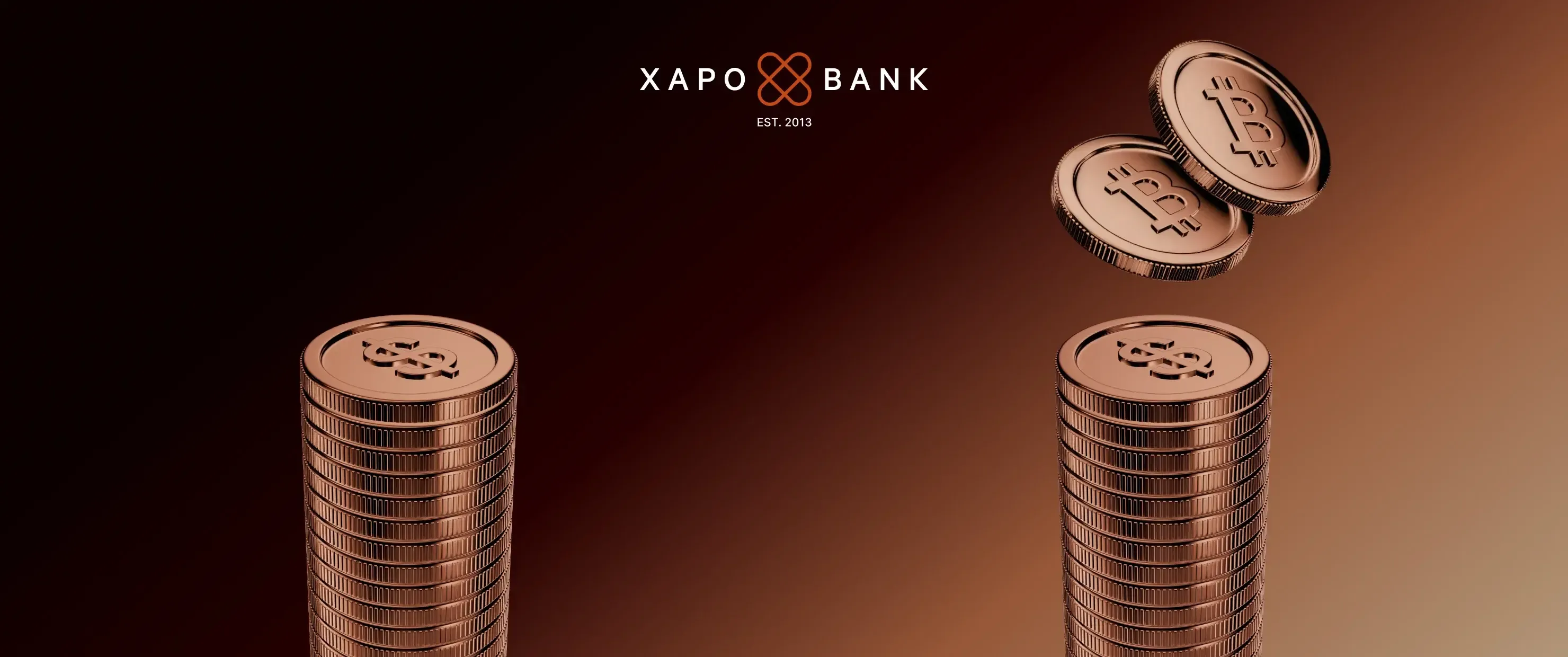
A less common option is a savings account that holds your money in dollars but pays the interest in Bitcoin. Xapo Bank's USD Savings account works this way: your balance stays in dollars, and the interest is paid into your Bitcoin account daily. Deposited stablecoins and fiat currencies auto-convert to USD, making it easy to start earning interest on a dollar balance.
There's no lock-up, and USD balances are protected by the Gibraltar Deposit Guarantee Scheme up to the USD equivalent of GBP 120,000.
At the current rate of 4.1% a year (variable), $25,000 would earn roughly $1,025 in interest over a year, paid in Bitcoin. For a limited time, eligible first-time members earn 4.6% variable interest for their first 90 days.
This option is designed specifically for people looking to earn Bitcoin without needing to buy it. You need a Xapo Bank membership, and because the interest is paid in Bitcoin, its dollar value moves with the market and can fall as well as rise. If you'd rather your interest stay in dollars, one of the options above will suit you better.
Stablecoins on an exchange or yield platform
Many Bitcoiners keep their idle cash in stablecoins on an exchange. It's the fastest option for moving in and out of the market: when the price drops, you're one trade away from buying.
Most stablecoin balances earn nothing on their own. Some exchanges and lending platforms offer a return, usually funded by lending to traders or other borrowers, so it's worth checking where the yield comes from. Payments are also made in-kind, meaning that stablecoins only earn more stablecoins – pegged to depreciating fiat.
It's also worth knowing who holds your funds and what happens if the platform runs into trouble. Heightened counterparty risk previously led to a wave of centralised platform collapses in 2022, most notably FTX’s insolvency, which shook the market. While industry transparency has since improved, it’s still important to conduct thorough due diligence when selecting a platform to hold your idle funds.
A high-yield savings account
A high-yield savings account is the default for most people. It's simple, it's protected by deposit insurance up to your local limit, and it pays more than a standard current account.
For a Bitcoiner, the payout currency is the drawback. Interest arrives in local fiat currency – the same currencies hodlers work hard to hedge against. Rates also follow central bank decisions, so the rate you signed up for can fall when rates are cut. After inflation, the real return can be modest.
Moving the money into Bitcoin when a dip does arrive can also be a slow process. A traditional bank transfer to an exchange can take a day or more, and some banks still limit or delay payments to crypto platforms. However, for a fiat emergency fund, a high-yield savings account can often be a strong choice.
Making your cash work while you wait
The options outlined above are not mutually exclusive. Many people with large cash reserves use a mix of platforms to hedge risk and maintain easy access, while also benefiting from higher rates or earning a return paid directly in Bitcoin. For Bitcoiners, however, there’s a simple case for earning Bitcoin on a USD reserve: your cash stays ready for the right moment, and your stack keeps growing while you wait.